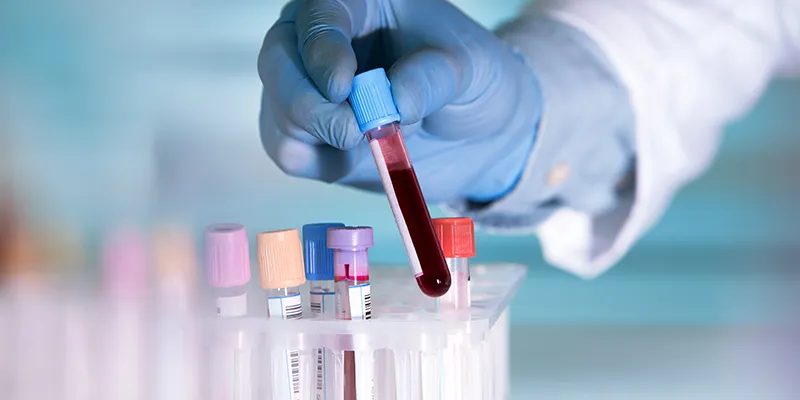
Accurate laboratory testing plays an important role in identifying health concerns, monitoring existing conditions, and helping doctors plan appropriate treatment. From routine blood tests to specialised investigations, diagnostic reports provide useful information about your health. If you are searching for a pathology lab in Dwarka Mor, look for a laboratory that follows quality-control procedures, maintains hygiene, and provides clear information about sample collection and report delivery.
A pathology laboratory examines blood, urine, stool, and other clinical samples to support medical diagnosis. Doctors use these results alongside symptoms, physical examinations, and medical history to understand a patient's condition.
Laboratory results help doctors investigate symptoms, assess risk factors, and monitor treatment progress. The reliability of these results depends on proper sample collection, handling, testing procedures, and quality checks.
A suitable pathology lab should provide:
Clear information about available tests.
Proper patient identification and sample labelling.
Hygienic sample collection procedures.
Appropriate equipment and trained laboratory staff.
Clear instructions for tests requiring preparation.
Secure handling of patient information.
Reliable report delivery and access to support for queries.
Before booking a test, confirm that the laboratory offers the specific investigation prescribed by your doctor.
The range of investigations differs between laboratories. Depending on its facilities, a pathology lab in Dwarka Mor might offer several types of diagnostic tests.
A Complete Blood Count (CBC) measures different components of blood, including red blood cells, white blood cells, and platelets. Doctors use it to investigate concerns such as fatigue, suspected infections, and certain blood-related conditions.
The report must be interpreted alongside your symptoms and medical history.
Blood glucose tests help assess blood sugar levels. Common investigations include fasting blood glucose, post-meal glucose, and HbA1c testing.
These tests support the screening and monitoring of diabetes. Your doctor will explain which test is appropriate and whether fasting is required.
Thyroid tests help assess how well the thyroid gland is functioning. Doctors might recommend them when investigating symptoms such as unexplained weight changes, fatigue, or other concerns associated with thyroid disorders.
The tests required depend on the clinical assessment.
Liver function tests assess selected markers associated with liver health, while kidney function tests help evaluate how well the kidneys are working.
Doctors use these investigations to assess symptoms, monitor diagnosed conditions, or review the effects of certain medicines.
Urine analysis helps investigate several urinary and general health concerns. Depending on the test, a sample might be examined for cells, protein, glucose, or signs of infection.
Follow the laboratory's collection instructions to help reduce the risk of sample contamination.
A lipid profile measures selected fats in the blood, including cholesterol and triglycerides. Doctors use the results to assess cardiovascular risk alongside other factors such as age, blood pressure, lifestyle, and medical history.
Ask the laboratory whether fasting is necessary for your particular test.
Preparation depends on the investigation. Some tests require fasting, while others need no special preparation. Medicines, supplements, hydration, and the timing of sample collection might also affect selected results.
Follow these steps before visiting a pathology lab:
Confirm the test name: Check your doctor's prescription and ensure the laboratory offers the required investigation.
Ask about fasting: Do not assume every blood test requires fasting. Follow the instructions provided for your specific test.
Discuss medicines: Tell your doctor about your medicines and follow their advice. Do not stop prescribed medication independently.
Carry relevant documents: Bring your prescription and previous reports when available.
Follow collection instructions: Ask the laboratory how to collect and transport urine or stool samples if required.
Confirm report timing: Check when the results will be ready and how you will receive them.
Proper preparation helps the laboratory process your sample according to the test requirements.
When comparing diagnostic laboratories, consider the following factors.
Quality standards: Ask about the laboratory's quality-control procedures and relevant accreditation, where applicable.
Qualified personnel: Check whether trained professionals supervise testing and sample processing.
Hygiene and safety: Observe cleanliness and appropriate procedures during sample collection.
Available investigations: Confirm that the required test is available at the location you plan to visit.
Report delivery: Ask about expected turnaround times, digital reports, and the process for resolving report-related queries.
Transparent pricing: Check the test charges and ask whether additional collection or processing fees apply.
Home sample collection: If you need this service, confirm its availability, coverage area, timing, and charges before booking.
These checks help you choose a laboratory that suits your diagnostic needs.
A laboratory report usually includes the test result, measurement unit, and a reference range where applicable. Results outside the reference range do not automatically confirm a disease, and results within the range do not always rule out a medical condition.
Your doctor interprets the report in the context of your symptoms, examination, medical history, and other investigations. Avoid starting or changing medication based only on a laboratory result without appropriate medical guidance.
If a report identifies a critical result, follow the laboratory's instructions and contact your healthcare professional promptly.
If you are looking for a pathology lab in Dwarka Mor, prioritise reliable testing procedures, hygienic sample collection, clear preparation instructions, and timely report delivery.
Whether you need routine blood work, a diabetes screening test, a thyroid investigation, or another prescribed diagnostic test, selecting a suitable laboratory helps you complete the testing process with greater confidence.
1. Which tests are available at a pathology lab in Dwarka Mor?
Depending on the laboratory, services might include CBC, blood sugar, thyroid function, liver and kidney function, urine analysis, lipid profile, and other diagnostic investigations. Contact the laboratory to confirm availability.
2. Do I need to fast before a blood test?
Fasting requirements depend on the specific test. Some investigations require fasting, while others do not. Follow your doctor's or laboratory's instructions before sample collection.
3. How long does a pathology lab take to provide reports?
Report timing varies according to the test, laboratory workload, and whether specialised processing is required. Ask the laboratory for an estimated turnaround time when booking your test.
| Tags: | # Pathology Lab in dwarka sector 7 , # Pathology Lab in dwarka sector 6 , # Pathology Lab in dwarka , # Pathology Lab in najafgarh |


